
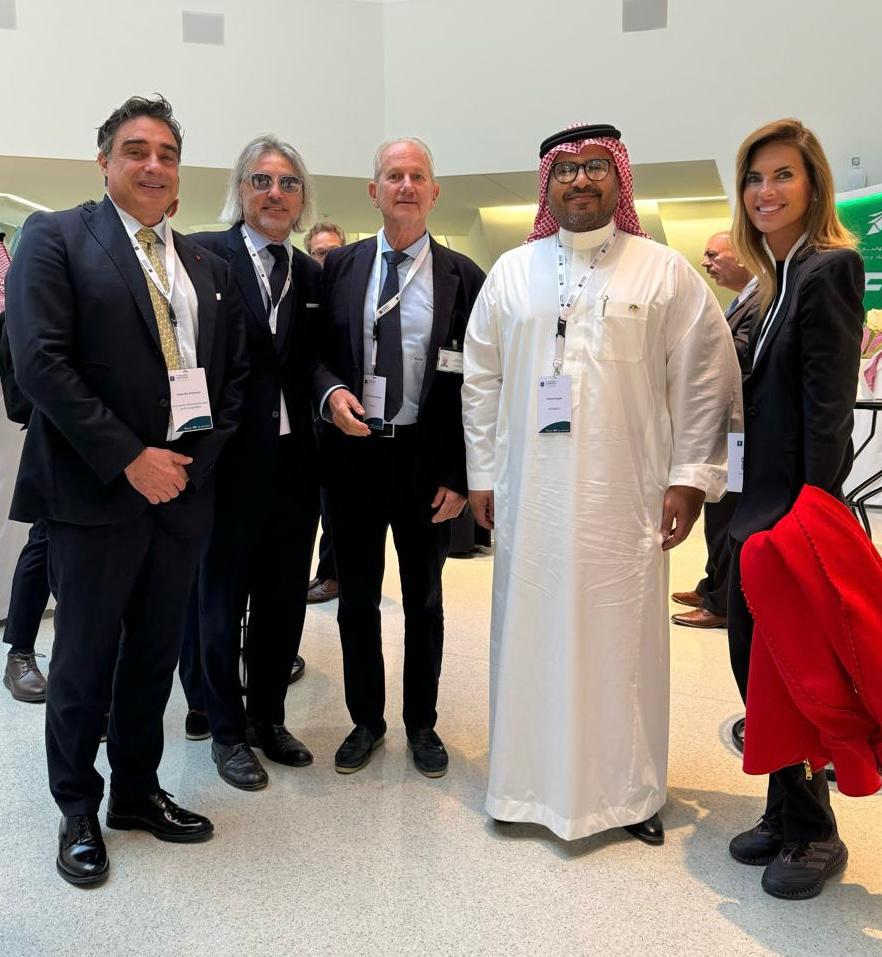
The 3rd IAEE Middle East and North Africa (MENA) Conference, held in Riyadh from December 8-9, 2024, marked a significant moment for the global energy community. Organized by the King Abdullah Petroleum Studies and Research Center (KAPSARC) in collaboration with the Saudi Association for Energy Economics (SaudiAEE), the event revolved around the theme “Domestic Energy and Economic Transformations in a Transitioning World.”
This prestigious gathering of thought leaders, policymakers, and industry experts explored the complexities of energy transitions, domestic economic transformations, and the innovative technologies reshaping the global energy landscape. As the President of the Institute of Advanced Studies and Cooperation, it was my honor to attend the conference alongside my business partners, Dr. Patrizia Marin. A highlight of the event was the opportunity to engage in meaningful dialogue with Prof. Carlo Andrea Bollino and Dr. Adam Sieminski, President of KAPSARC that I had the pleasure to invite at the World Changers Summit.
Collaborating for Sustainable Energy and Economic Growth
Our discussions highlighted a shared mission of fostering global cooperation and innovation in energy policy and sustainability. Both institutions—KAPSARC and the Institute of Advanced Studies and Cooperation—are dedicated to bridging gaps in knowledge and building collaborative frameworks to address global energy challenges while advancing equitable economic growth.
KAPSARC’s Role in Shaping Energy Economics
KAPSARC, a distinguished think tank based in Riyadh, is renowned for its evidence-based research and global impact in energy policy. From exploring carbon management strategies to analyzing renewable energy transitions, KAPSARC has become a cornerstone of the global energy dialogue. Its leadership in hosting this conference underscored its commitment to fostering knowledge-sharing and actionable solutions in energy economics.
During my discussion with Dr. Sieminski, we explored the importance of creating synergies between institutions like KAPSARC and the Institute of Advanced Studies and Cooperation. Collaboration among think tanks, academic organizations, and policymakers is pivotal in addressing the pressing energy and economic challenges of our time.
Key Insights from the Conference
The conference agenda addressed critical topics, including the role of hydrogen and renewables in a transitioning world, carbon capture technologies, and the socio-economic implications of energy policies. As a global advocate for ethical AI and the centralization of technology, I contributed to discussions on how advancements in artificial intelligence and data analytics can optimize energy systems, enhance efficiency, and bridge the digital divide in energy access.
The conference also highlighted the MENA region’s pivotal role in the global energy supply chain and its dynamic capacity for innovation in energy economics. Panel discussions emphasized the importance of domestic energy policies that align with global climate goals and the economic diversification strategies necessary for a sustainable future.
Looking Ahead
My participation in this conference, along with my engagement with Dr. Sieminski and other prominent leaders, reaffirmed the importance of fostering multidisciplinary approaches to address energy and economic challenges. The Institute of Advanced Studies and Cooperation remains committed to advancing sustainable energy policies, promoting ethical technological development, and contributing to inclusive economic growth through collaboration with KAPSARC and other like-minded institutions.
As we navigate an era of unprecedented change, the insights and connections forged at the 3rd IAEE MENA Conference will undoubtedly play a critical role in shaping the future of global energy economics. By working together, we can ensure that energy transitions are not only efficient but equitable—creating a more sustainable and inclusive world for generations to come.